Get Livestock Fencing Installation in Palo Pinto County, TX
Livestock fencing installation services for property owners in Palo Pinto County, TX, help secure livestock, define boundaries, and prevent escapes with custom fencing solutions.
Livestock fencing installation services provide property owners in Palo Pinto County, TX with practical solutions for containing animals and defining property boundaries. Well-designed fences enhance safety by preventing livestock from wandering onto roads or neighboring properties, reducing the risk of accidents and conflicts. Additionally, durable fencing systems contribute to the overall functionality of a property, making daily management of livestock more efficient and less labor-intensive.
Beyond safety and functionality, livestock fencing offers aesthetic benefits that can improve curb appeal. High-quality fencing materials are designed to withstand the local weather conditions, ensuring long-lasting performance with minimal maintenance. This durability not only preserves the property's appearance over time but also reduces ongoing upkeep costs, making it a reliable investment for landowners seeking a balance of practicality and visual appeal.
- Barbed wire fencing - ideal for securing large pastures and keeping livestock contained in rural areas.
- Wooden fencing - suitable for farms and ranches requiring durable, traditional enclosures for livestock.
- Electric fencing - used to manage and control livestock movement across various terrains and property boundaries.
- Pipeline fencing - often needed in regions with hilly or uneven land to provide effective livestock barriers.
- Chain link fencing - appropriate for livestock yards and facilities requiring secure, visible enclosures.
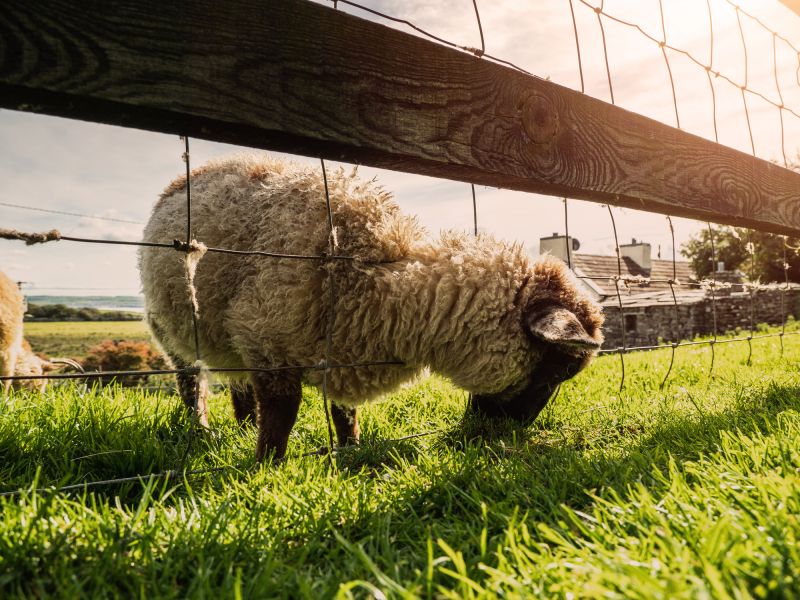
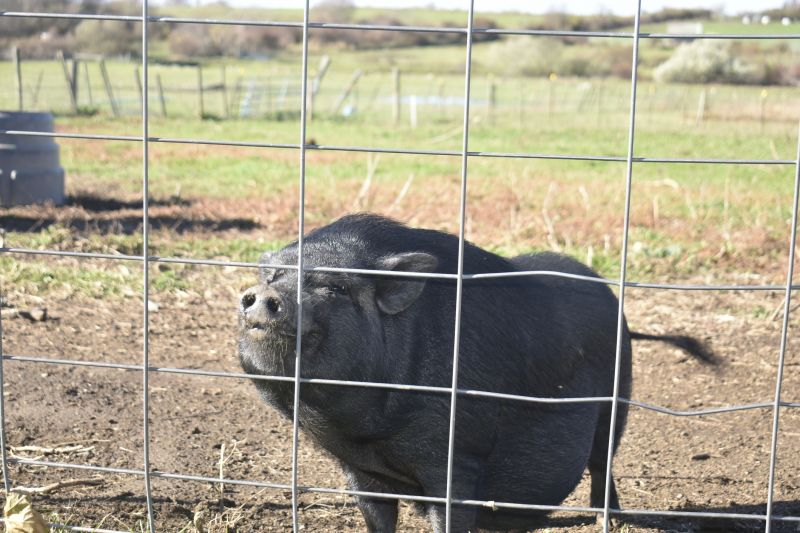
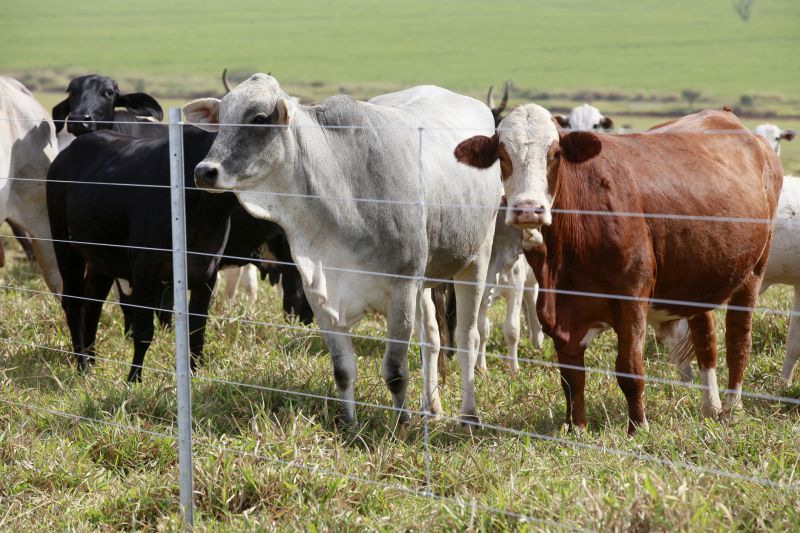
Livestock fencing installation services involve setting up durable barriers designed to contain animals and define property boundaries on farms, ranches, and rural properties. These services typically include selecting appropriate fencing materials, measuring and planning the layout, and installing fences that can withstand the conditions of the area. The process may also involve integrating gates and access points to facilitate movement of livestock and equipment, ensuring that the fencing is secure and functional for agricultural needs.
One of the primary issues livestock fencing helps address is preventing animals from wandering off the property or into areas where they may be at risk. Proper fencing reduces the likelihood of livestock straying onto roads, neighboring properties, or into hazardous environments, thereby enhancing safety for both animals and people. Additionally, fencing can help manage grazing patterns, protect crops or gardens from being damaged by animals, and establish clear property boundaries to minimize disputes with neighbors.
Properties that commonly utilize livestock fencing include farms, ranches, and rural estates with grazing animals such as cattle, sheep, goats, or horses. These properties often require fencing that is not only sturdy but also appropriate for the specific types of livestock kept. In some cases, larger properties or those with multiple types of animals may need specialized fencing solutions, such as electric fences or high-tensile wire, to meet their operational needs and ensure animals remain safely contained.
Professional livestock fencing installation services can customize solutions to fit the size and purpose of each property. They work with property owners to select suitable fencing materials, such as wood, wire, vinyl, or electric fencing, based on the animals and terrain. By partnering with experienced service providers, property owners can ensure that their fencing is properly installed, durable, and effective in addressing containment and boundary requirements across a variety of rural and agricultural settings.
The overview below groups typical Livestock Fencing Installation projects into broad ranges so you can see how smaller, mid-sized, and larger jobs often compare in Palo Pinto County, TX.
In many markets, a large share of routine jobs stays in the lower and middle ranges, while only a smaller percentage of projects moves into the highest bands when the work is more complex or site conditions are harder than average.
Material Costs - The cost of fencing materials varies depending on the type chosen, such as wire, wood, or vinyl. Typically, prices range from $1 to $10 per linear foot, with wood fences often costing around $5 per foot. Material expenses are a significant part of the overall installation cost.
Labor Expenses - Labor costs for livestock fencing installation generally range from $5 to $15 per linear foot. Factors influencing labor prices include fence height, terrain, and complexity of the project. Local pros may provide estimates based on specific site conditions.
Additional Equipment - Installing livestock fencing may require equipment rentals like post drivers or trencher machines, which can add $100 to $300 to the total cost. These costs depend on the project's scale and the equipment needed for efficient installation.
Project Size & Scope - Larger fencing projects tend to have a lower cost per foot due to economies of scale, but overall costs can range from $1,000 to $5,000 or more. The total price depends on the length of fencing, terrain, and material choices, with local contractors providing tailored estimates.
Actual totals will depend on details like access to the work area, the scope of the project, and the materials selected, so use these as general starting points rather than exact figures.
Livestock Fencing - Local contractors provide installation services to enclose pastures and secure livestock, ensuring proper containment and safety.
Barbed Wire Fencing - Professionals install barbed wire fences suitable for livestock enclosures, offering durability and effective boundary marking.
Wood Fencing - Skilled service providers set up wooden fences that create natural barriers for farms and ranches, enhancing privacy and security.
Electric Fencing - Electric fencing installation specialists help establish efficient and effective livestock control systems with proper wiring and energization.
Field Fencing - Local pros install field fencing options like woven wire or mesh to contain cattle and other farm animals reliably.
Pipeline Fencing - Contractors offer pipeline fencing solutions that combine durability with livestock containment, suitable for rural properties.
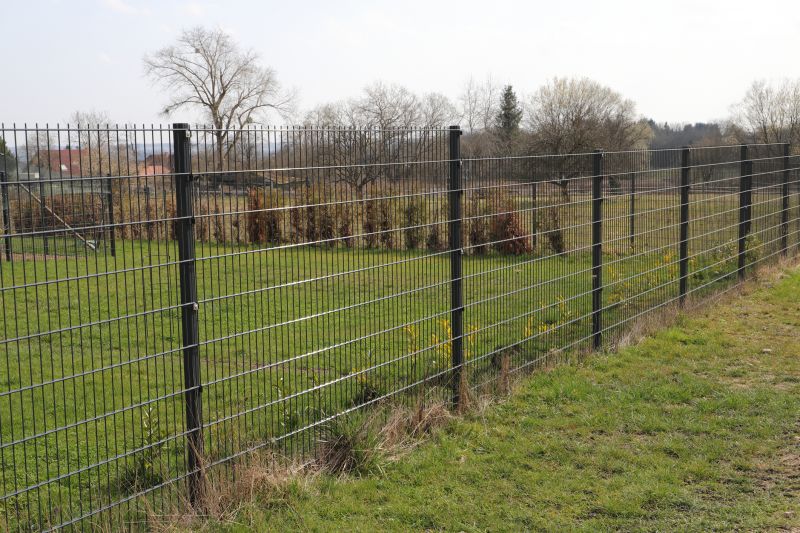
When selecting a professional for livestock fencing installation, it’s important to consider their experience working with similar projects. Homeowners should look for local contractors who have a proven track record of installing durable and effective fencing systems for agricultural or livestock purposes. Experienced providers are often more familiar with regional terrain and common challenges, which can contribute to a smoother installation process and a more reliable finished product.
Clear communication and well-defined expectations are essential when working with a fencing service provider. Homeowners are encouraged to seek out local pros who openly discuss project scope, materials, and any potential limitations upfront. Establishing a mutual understanding of the work involved helps ensure that both parties are aligned on the goals and deliverables, reducing the likelihood of misunderstandings or surprises during the project.
Reputable references and a history of satisfied clients can serve as indicators of a trustworthy local fencing contractor. Homeowners may want to inquire about past projects or request contact information for previous clients in their area, such as Palo Pinto County, TX. Reliable providers typically maintain good relationships within the community and can provide testimonials or references that speak to their professionalism, quality of work, and adherence to agreed-upon standards.
Property owners in Palo Pinto County, TX use Livestock Fencing Installation services for practical projects around their homes and businesses. The sections below highlight everyday jobs and straightforward project options.
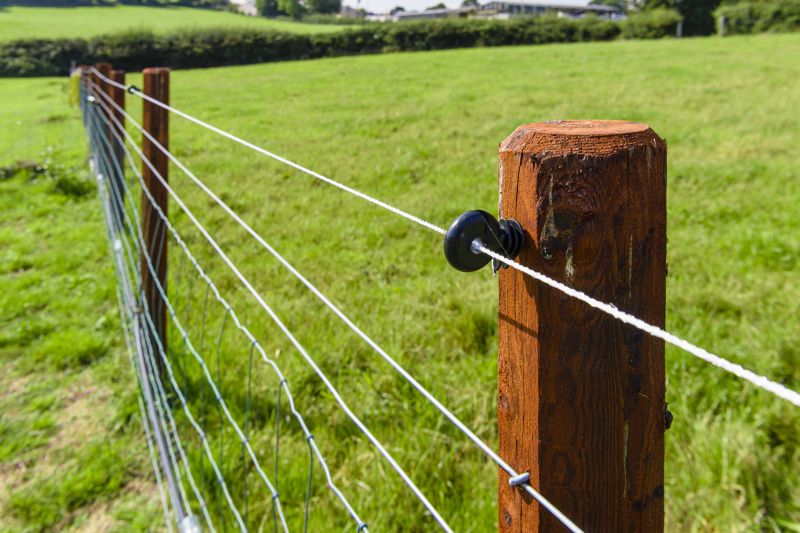
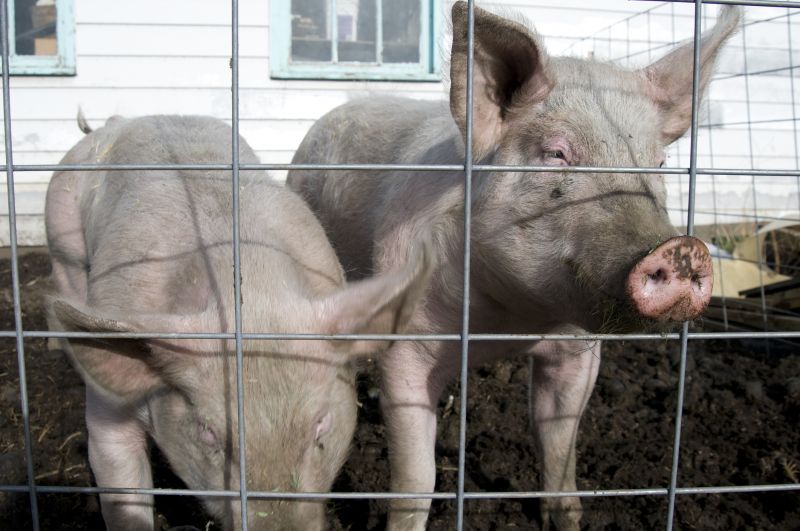
Livestock fencing installation services are commonly sought by property owners in Palo Pinto County, TX who need to contain animals such as cattle, horses, or goats. Fencing helps prevent livestock from wandering off the property, protects them from potential hazards, and maintains boundaries between neighboring land. Whether updating an existing fence or installing a new one, local contractors can assist with selecting the right materials and ensuring the fence is sturdy and reliable for everyday farm and ranch needs.
Property owners may also look for fencing services to improve security or manage land access. In rural areas of Palo Pinto County, a well-constructed fence can help keep unwanted visitors or predators away from livestock or crops. Additionally, fencing can serve to define property lines clearly, reducing disputes with neighbors. Local fencing specialists are available to provide options suited to the specific requirements of rural and suburban properties alike.
What types of fencing are suitable for livestock? Local fencing professionals can recommend various options such as wire, wood, or electric fencing based on the specific needs of livestock and property conditions.
How long does livestock fencing installation typically take? The duration of installation depends on the size of the area and fencing type; contacting local contractors can provide estimates tailored to individual projects.
What factors should be considered when planning livestock fencing? Factors include the type of livestock, terrain, property boundaries, and local regulations, which local pros can help evaluate.
Can livestock fencing be installed on uneven or challenging terrains? Yes, experienced fencing contractors are equipped to handle various terrains and can adapt installation methods accordingly.
What maintenance is required for livestock fencing? Maintenance needs vary by fencing type but generally include regular inspections and repairs, which local service providers can assist with.
Fence Material Options - Local fencing contractors can help select the best materials for livestock enclosures, including wood, wire, or vinyl, based on specific needs.
Installation Planning - Pros can assist with designing and planning fencing layouts that ensure proper livestock containment and property boundaries.
Permitting & Regulations - Service providers are knowledgeable about local regulations and can advise on any necessary permits for livestock fencing installation.
Maintenance & Repairs - Local experts offer ongoing maintenance and repair services to keep livestock fences secure and functional over time.
Considering Livestock Fencing Installation for a property in Palo Pinto County, TX? The sections above highlight common project types, practical options, and details that often shape the scope of work.
When you are ready, use the quote form to share a few details about your project. Local pros can review the basics and respond with options that match what you have in mind.